July 3, 2026
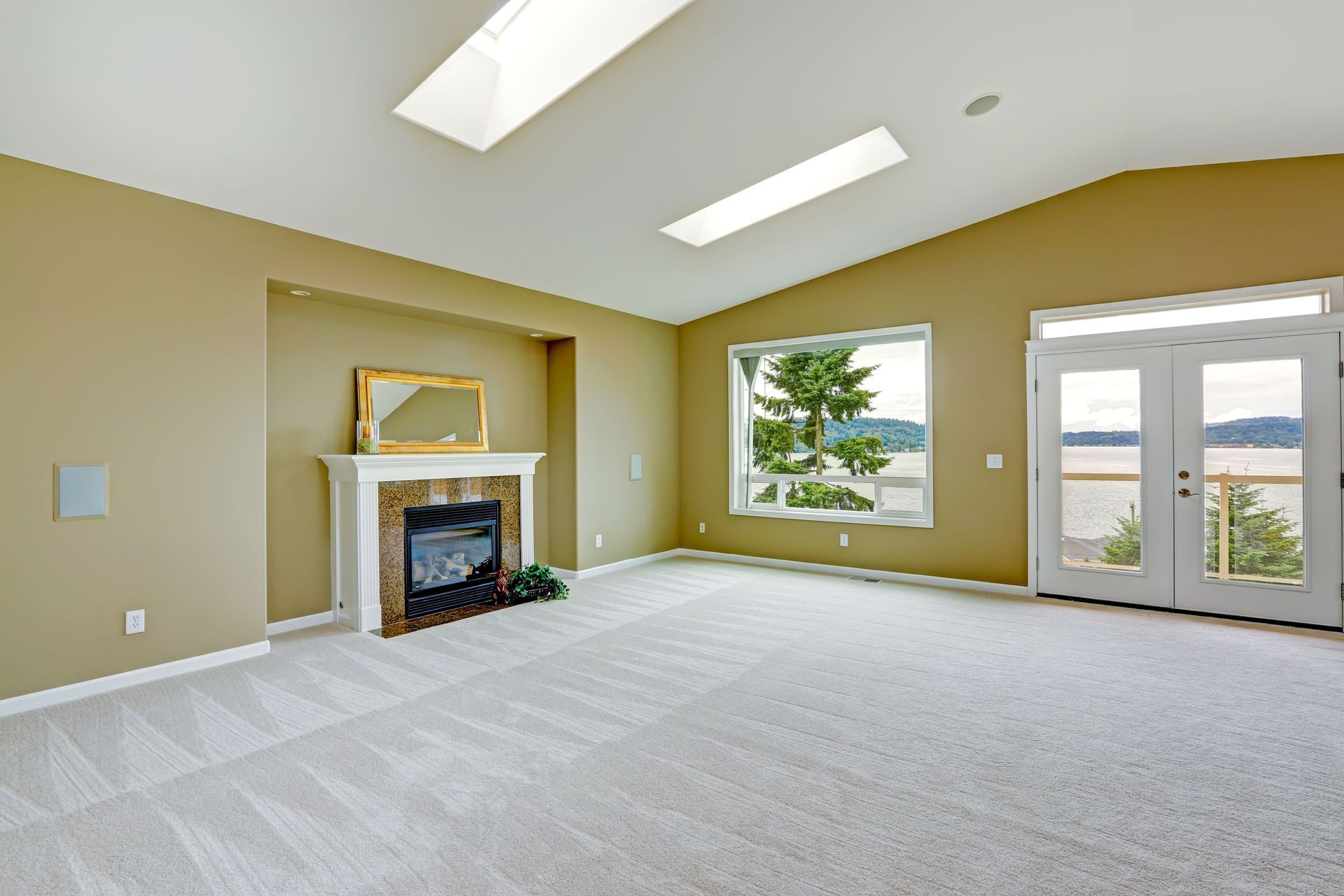
A room can change dramatically when the flooring changes. Paint colors, furniture, lighting, and decor all contribute to design, but the surface underfoot shapes the first impression and the everyday experience of the space. Carpet adds softness, color, texture, and warmth in a way that can make a room feel more inviting without requiring a complete renovation.
Carpet installation can help homeowners refresh bedrooms, living rooms, offices, playrooms, and finished basements with one practical update. The right carpet can make a small room feel cozier, a large room feel more comfortable, or an outdated room feel more current. It can also support how people actually use the space, whether they want a quiet bedroom, a comfortable family area, or a softer place for children to play.
Creating a Softer Atmosphere
One of the most noticeable changes carpet brings to a room is softness. Hard flooring can look clean and polished, but it may not always create the relaxed feeling many people want in bedrooms, family rooms, or sitting areas. Carpet installation helps shift the atmosphere by adding a surface that feels warmer, quieter, and more welcoming.
Soft flooring changes how people interact with a room. It encourages children to sit on the floor, gives pets a comfortable place to rest, and makes casual living spaces feel easier to enjoy. Instead of feeling formal or unfinished, the room can feel ready for everyday life.
Texture also affects the mood of the space. A plush carpet can create a cozy and calm feeling, while a lower-profile style can offer a cleaner, more tailored appearance. Patterned or textured carpet can add subtle visual interest without overwhelming the rest of the design. When the carpet complements the room's purpose, the entire space can feel more intentional.
Adding More Visual Warmth
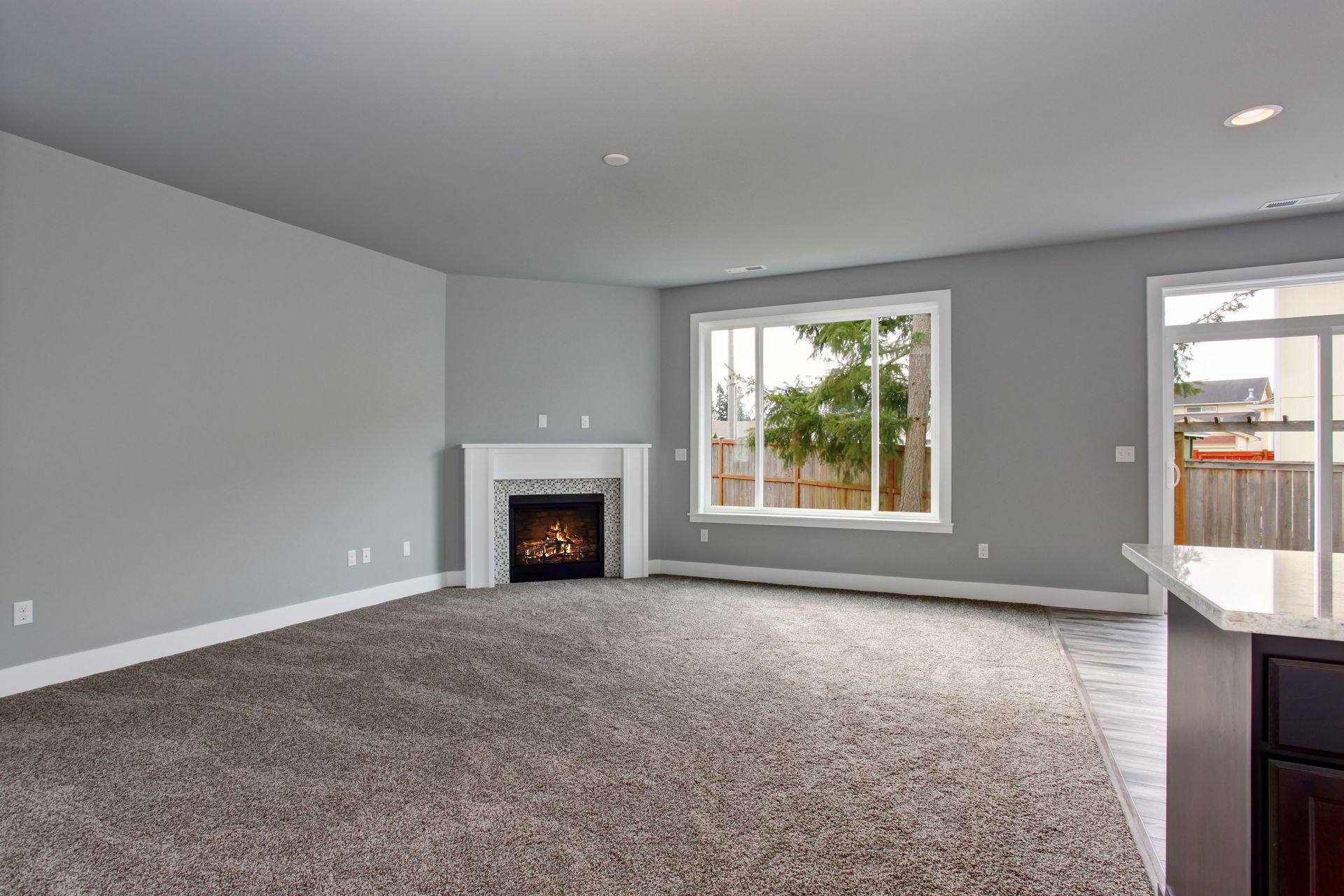
Color plays a major role in how a room feels. A cool or empty-looking room may need flooring that adds depth, while a darker room may benefit from a lighter shade that makes the area feel more open. Carpet installation allows homeowners to adjust the room's visual warmth while also improving comfort.
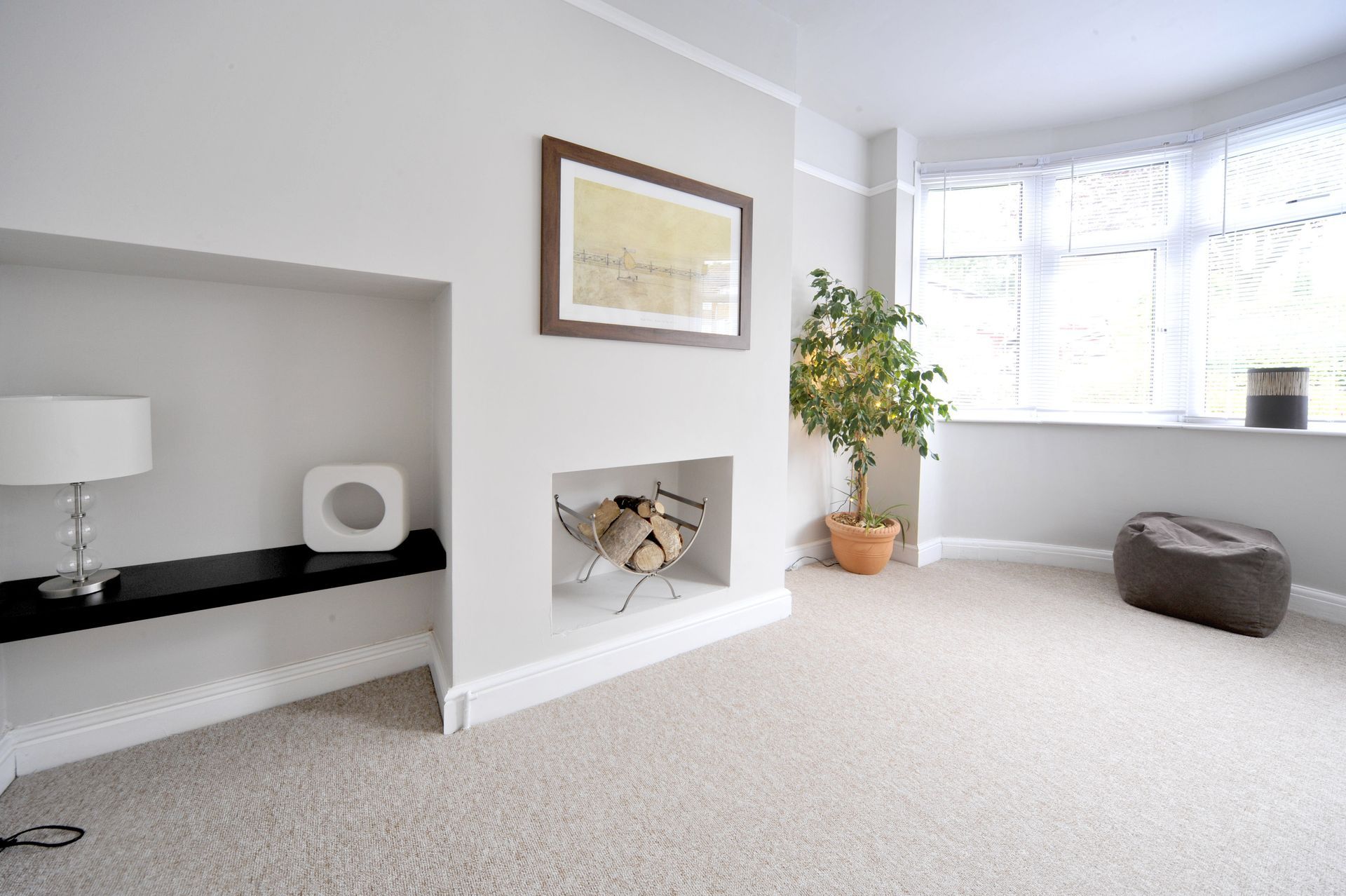
Neutral carpet colors can create a flexible foundation for changing furniture, bedding, curtains, and seasonal decor. Shades such as beige, taupe, cream, soft gray, and muted brown can connect design elements without competing for attention. This can be especially helpful in rooms with bold furniture, patterned fabrics, or colorful artwork.
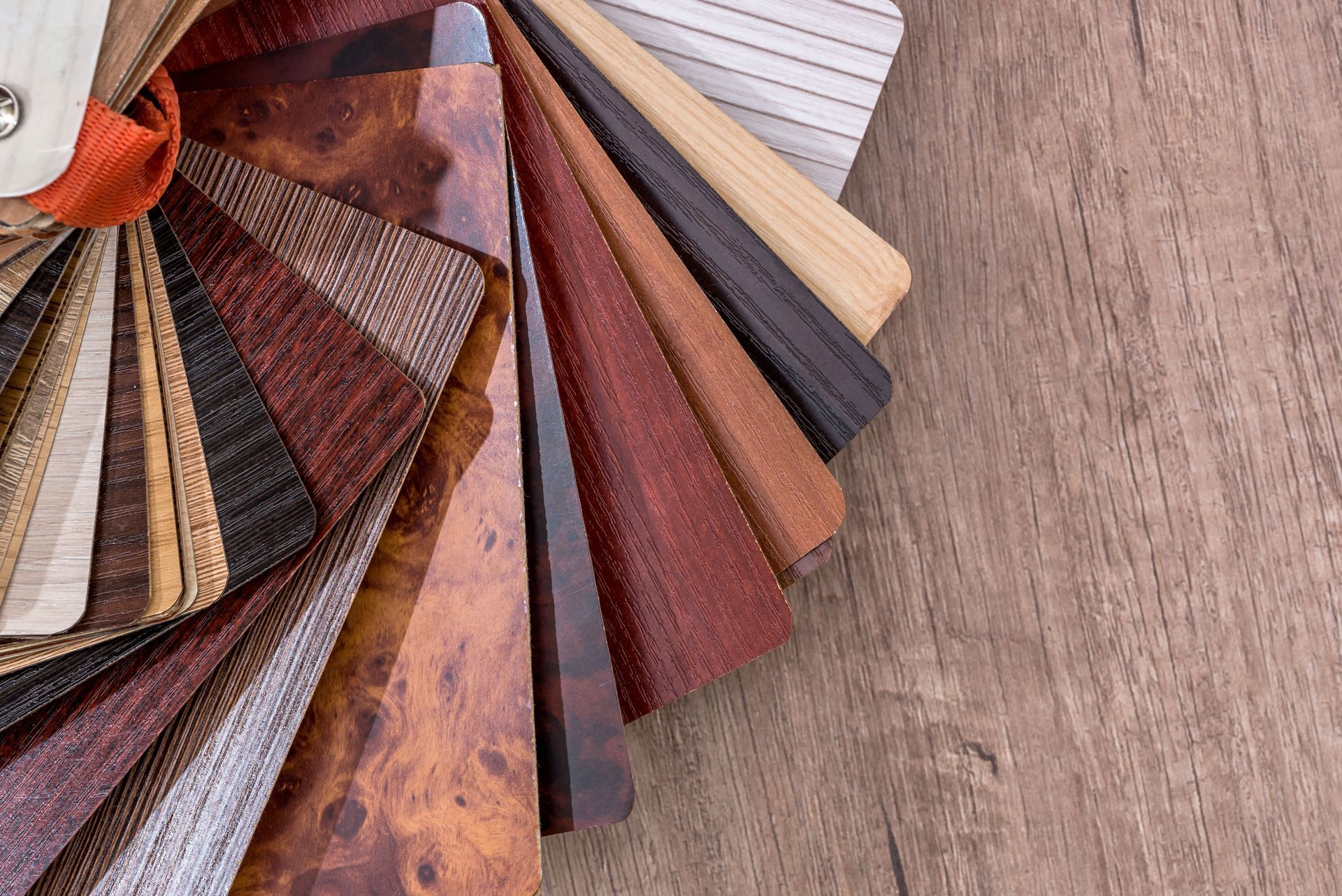
The way carpet reflects light matters as well. Some textures create subtle movement across the floor, while others produce a smoother and more uniform look. A carpet sample may look simple on its own, but once it fills the room, it can add depth and balance. With thoughtful selection, new carpet can make the room look polished without making the design feel too busy.
Supporting Everyday Comfort
A room should look appealing, but it also needs to feel comfortable during daily use. Carpet installation supports comfort by adding cushioning underfoot, reducing the harshness of hard surfaces, and making the room more enjoyable for routine activities. This can matter in homes with children, pets, older adults, or anyone who spends a lot of time standing, walking, or sitting in the space.
Padding is an important part of that comfort. Quality padding can improve how the carpet feels, support durability, and absorb impact. Even a beautiful carpet may not perform well if the padding underneath is too thin, worn, or poorly matched to the room's use. Choosing the right padding helps the finished floor feel better from the beginning.
Comfort also includes sound control. Carpet can help absorb footsteps, voices, and movement, making a room feel calmer. This is especially useful in upstairs bedrooms, apartments, hallways, and shared living areas. A quieter room often feels more relaxing, and the right flooring can help create that effect without major structural changes.
Preparing the Room Carefully
The final result depends heavily on preparation. Before carpet installation begins, furniture should be moved, old flooring may need to be removed, and the subfloor should be checked for damage or uneven areas. Moisture concerns, loose boards, or rough surfaces can affect how the carpet looks and performs after installation.
Planning also includes thinking about indoor air and product handling. According to the American Lung Association, when installing new carpet, it is recommended that the carpet be unrolled and aired out in a well-ventilated area, such as a clean, dry warehouse, for 72 hours before installation. This step can be especially helpful for homeowners who are sensitive to odors or want to prepare the room with extra care.
Accurate measurements are another key part of the process. Good measuring helps reduce waste, avoid awkward seams, and make sure the carpet fits the room properly. Doorways, closets, stairs, and flooring transitions should all be considered. When preparation is handled carefully, the finished result is more likely to look smooth, secure, and professionally completed.
Choosing the Right Carpet
Not every carpet is right for every room. A formal bedroom may need a different style than a busy family room, hallway, basement, or home office. Carpet installation should begin with a realistic look at how the room is used, how much foot traffic it receives, and what level of maintenance the homeowner is comfortable managing.
Fiber choice can influence softness, durability, stain resistance, and cost. Some materials are designed for heavy use, while others focus more on a plush feel. Color can also affect long-term satisfaction. Very light shades may show soil more easily, while very dark shades may reveal lint, dust, or pet hair. Mid-tone colors often provide a practical balance for active households.
The room's existing design should guide the final decision. Wall color, natural light, furniture style, and trim all affect how the carpet will look once installed. It can be helpful to compare samples in the actual room at different times of day. A carpet that looks perfect under store lighting may appear warmer, cooler, lighter, or darker at home. Taking time to compare options can make the project feel like a thoughtful design upgrade instead of a rushed replacement.
Extending the Room's Value
New carpet can improve more than the first impression of a room. When installed correctly, it can support daily comfort, help protect the surface beneath, and make the space feel more usable. Carpet installation may be especially valuable in rooms where older carpet has become stained, faded, stretched, or flattened from years of use.
A fresh carpet can also make a room feel cleaner and more cared for. Even when the furniture and wall color stay the same, replacing worn flooring can make the entire space feel updated. This can be useful before hosting guests, preparing a home for sale, or improving a room that no longer matches the homeowner's style.
Long-term value depends on maintenance. Regular vacuuming, prompt spot cleaning, and occasional professional cleaning can help carpet hold its appearance. Using mats near entrances can reduce tracked-in dirt, while furniture pads can help limit dents. Homeowners can also rotate furniture from time to time to prevent heavy wear in one area.
Carpet can change how a room looks, feels, sounds, and functions. With the right material, careful preparation, and skilled installation, homeowners can create a finished space that feels comfortable from the ground up. Call Carpet Near Me today to schedule your carpet installation consultation.